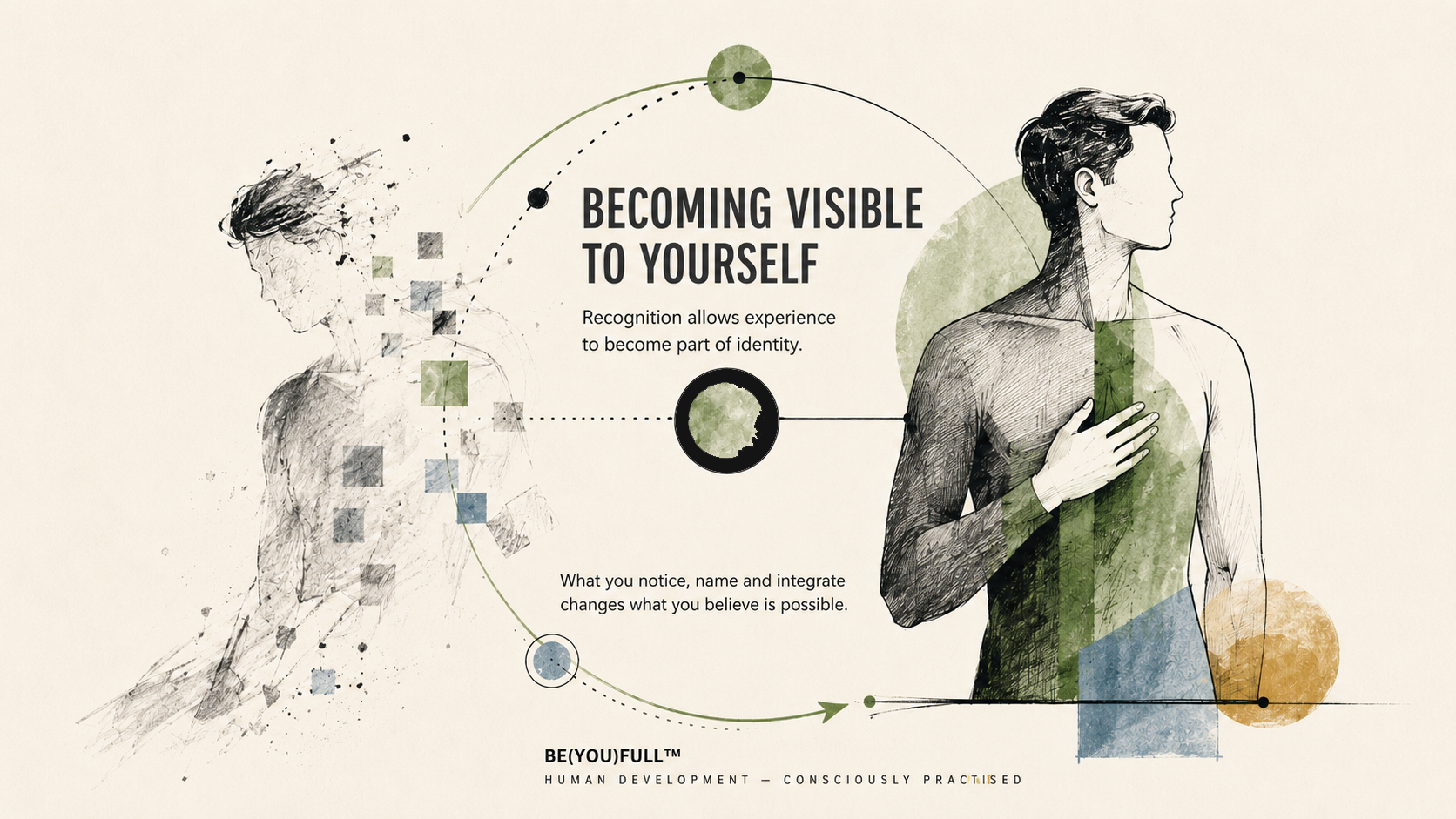
Reconnecting with your authentic identity can strengthen self-confidence, support wellbeing and transform the way you relate to yourself, lead others and participate in the world around you.
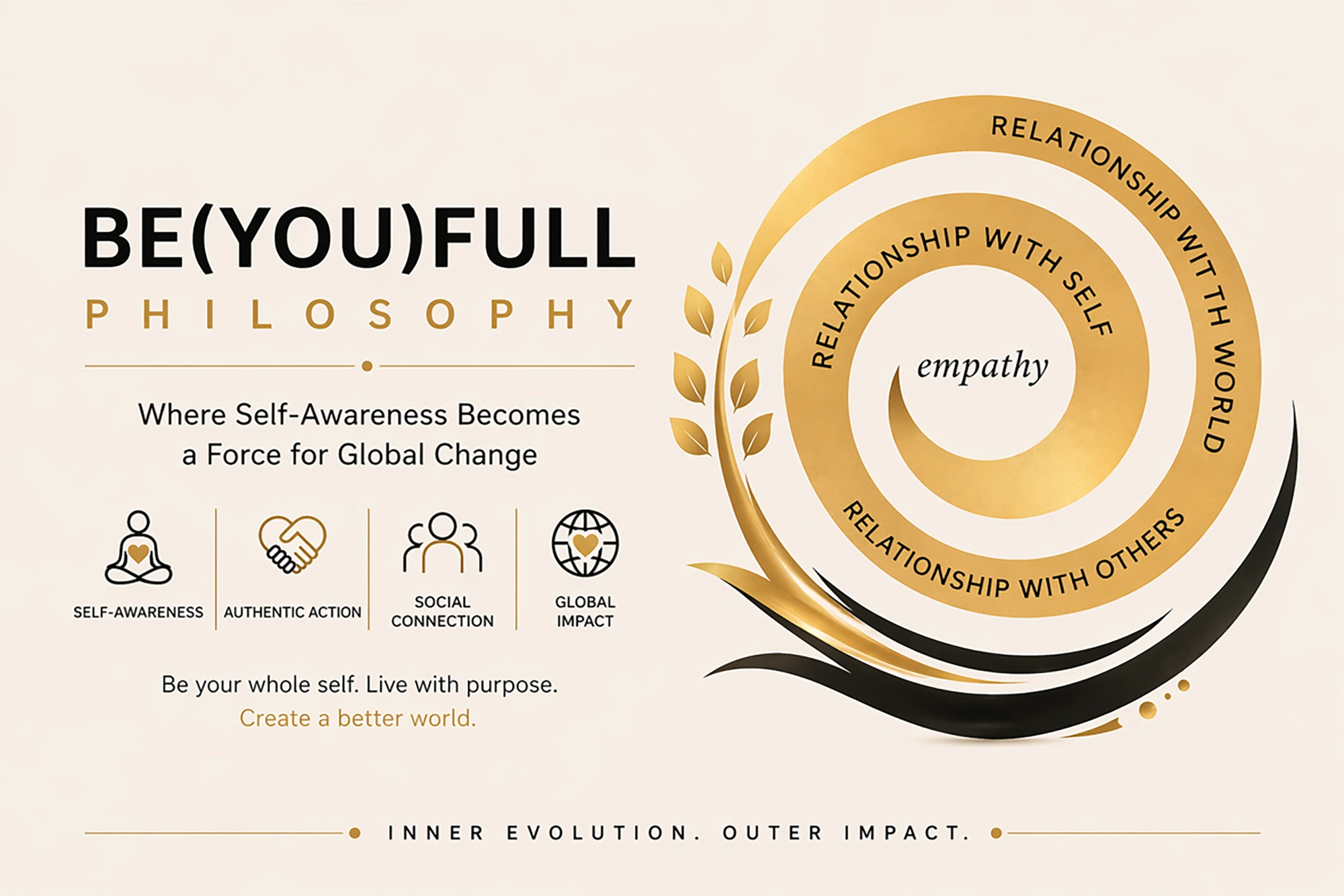
BE(YOU)FULL is a philosophy of conscious development centred on self-awareness, authenticity, and purpose. It frames personal fulfilment as the foundation for meaningful relationships and responsible global impact.
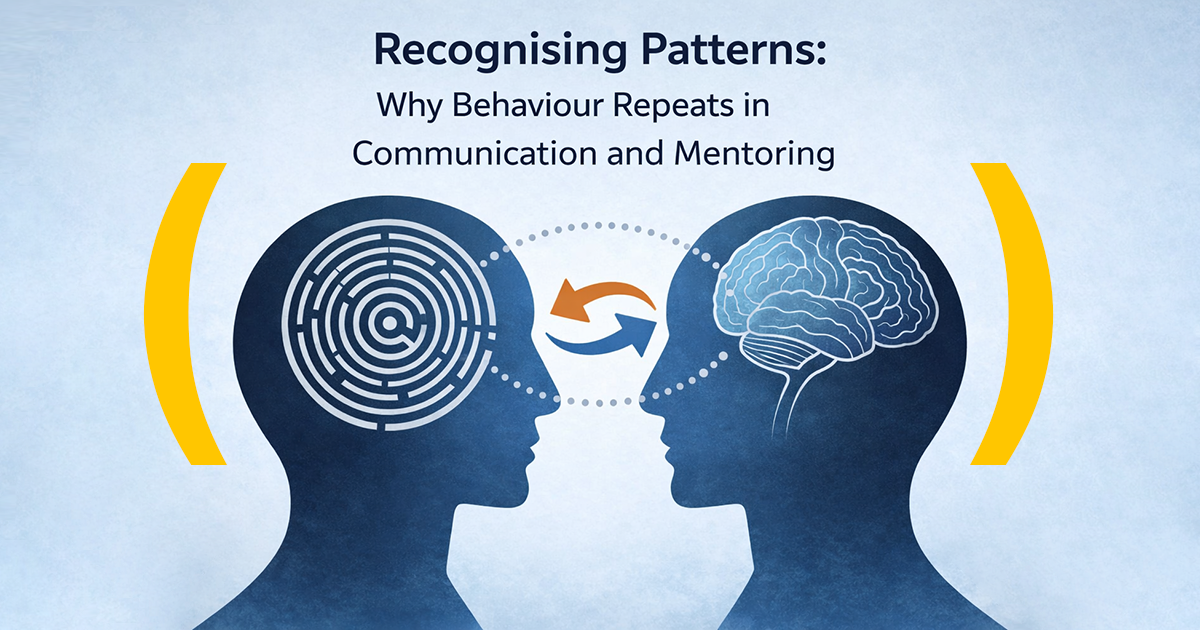
Behavioural patterns in mentoring are not random. They reflect internal structures shaped by perception, experience, and response. This article examines how ego states influence communication, why patterns repeat, and how awareness allows mentors and leaders to move from reaction to deliberate, effective engagement.
Ego states provide a practical framework for understanding behaviour, communication and relationship dynamics in mentoring and coaching. Explore how awareness of thinking, feeling and behavioural patterns can strengthen reflective practice and improve mentoring conversations.
Identity is not discovered. It is constructed. This article defines BE(YOU)FULL as a linguistic framework that uses structure to shape identity, showing how language organises perception, behaviour, and human development.
Many young people in London are bright but overwhelmed by pressure, identity confusion, and constant comparison. This guide explains how confidence, agency, and self-understanding develop – and how BE(YOU)FULL CIC supports teenagers and their parents through structured mentoring, creative learning, and youth development.
Youth mentoring is reshaping education and community life across London. This article explores the current state of mentoring in the city, what young people need, what schools are asking for, and why structured, evidence-based support matters now more than ever. BE(YOU)FULL CIC outlines the key challenges and opportunities facing...
BE(YOU)FULL CIC helps London schools create calmer, more emotionally intelligent classrooms through practical mentoring, creative learning, and reflective teaching skills. Our approach gives educators simple, evidence-based micro-skills they can use immediately to support behavior, confidence, and emotional well-being. This article explains how emotionally intelligent practice transforms learning environments across...
BE(YOU)FULL is a philosophy of identity, authenticity, and purpose. This article defines its meaning, explores its psychological foundations through Maslow, Rogers, and Ikigai, and shows how to apply it in life, work, and the digital age.
Making better decisions is a skill that can be developed through reflection, critical thinking and experience. This guide explores practical decision-making strategies that help individuals evaluate options, reduce uncertainty and make choices with greater confidence and clarity.
To provide the best experience, we use technologies like cookies to store and/or access device information. Consenting to these technologies will allow us to process data such as browsing behaviour or unique IDs on this site. Not consenting or withdrawing consent may adversely affect certain features and functions.
Functional
Always active
The technical storage or access is strictly necessary for the legitimate purpose of enabling the use of a specific service explicitly requested by the subscriber or user, or for the sole purpose of carrying out the transmission of a communication over an electronic communications network.
Preferences
The technical storage or access is necessary for the legitimate purpose of storing preferences that are not requested by the subscriber or user.
Statistics
The technical storage or access that is used exclusively for statistical purposes.The technical storage or access that is used exclusively for anonymous statistical purposes. Without a subpoena, voluntary compliance on the part of your Internet Service Provider, or additional records from a third party, information stored or retrieved for this purpose alone cannot usually be used to identify you.
Marketing
The technical storage or access is required to create user profiles to send advertising, or to track the user on a website or across several websites for similar marketing purposes.